

Seaweed in the seafood larder: a barnacle harvester from Muxía adds seaweed croquettes and seaweed jam to his gourmet range
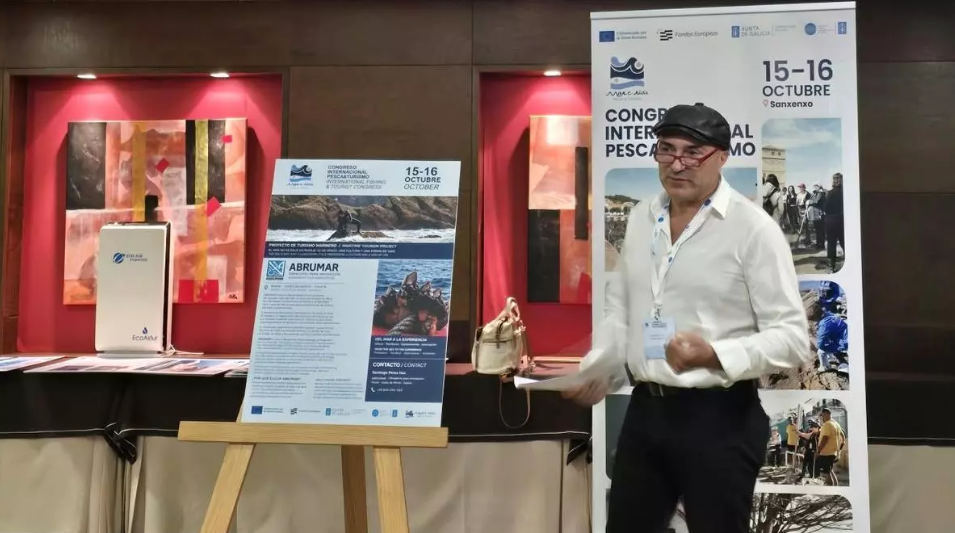
Santiago Pérez Haz, as well as harvesting barnacles, has developed a range of delicatessen products that includes barnacle pâté, seaweed croquettes with barnacles, packaged barnacles and seaweed jam. This example illustrates how seaweed can be incorporated into the local culinary offering as an ingredient that diversifies the range and adds value for those who make […]
Mexican companies are turning sargassum into footwear, cosmetics and biogas
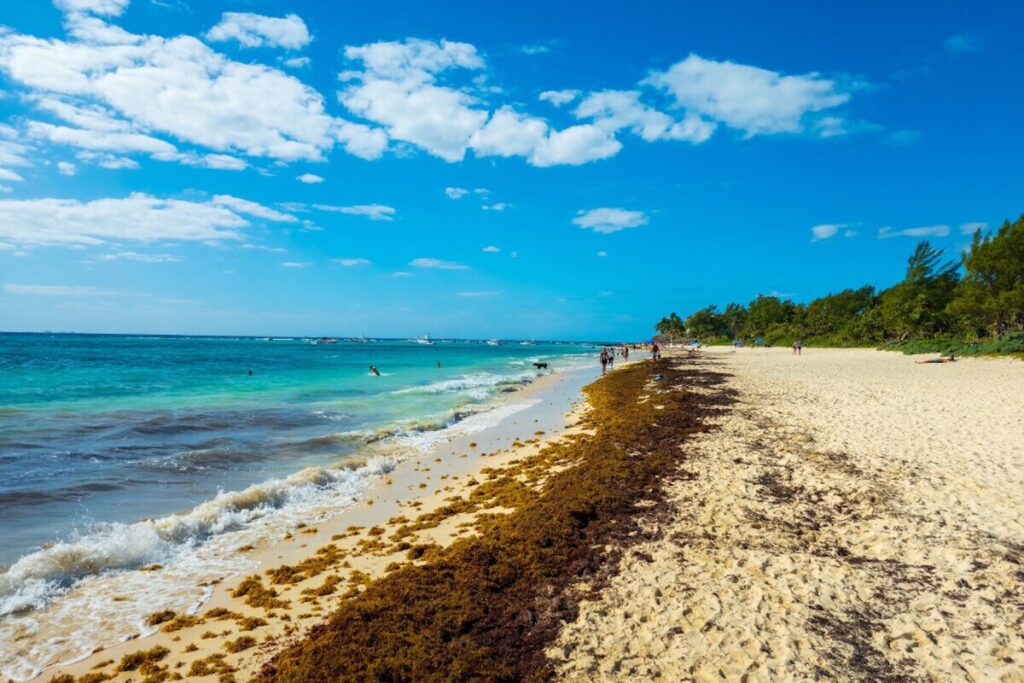
Every season, sargassum washes up on the shores of the Mexican Caribbean, affecting tourism, fishing and coastal ecosystems. In response to this situation, the Mexican Government and the authorities in Quintana Roo are combining offshore collection, the legal recognition of sargassum as a resource, and support for the companies that process it. Today, it is […]
Seaweed, from the plate to the value chain: what the experts say about its consumption
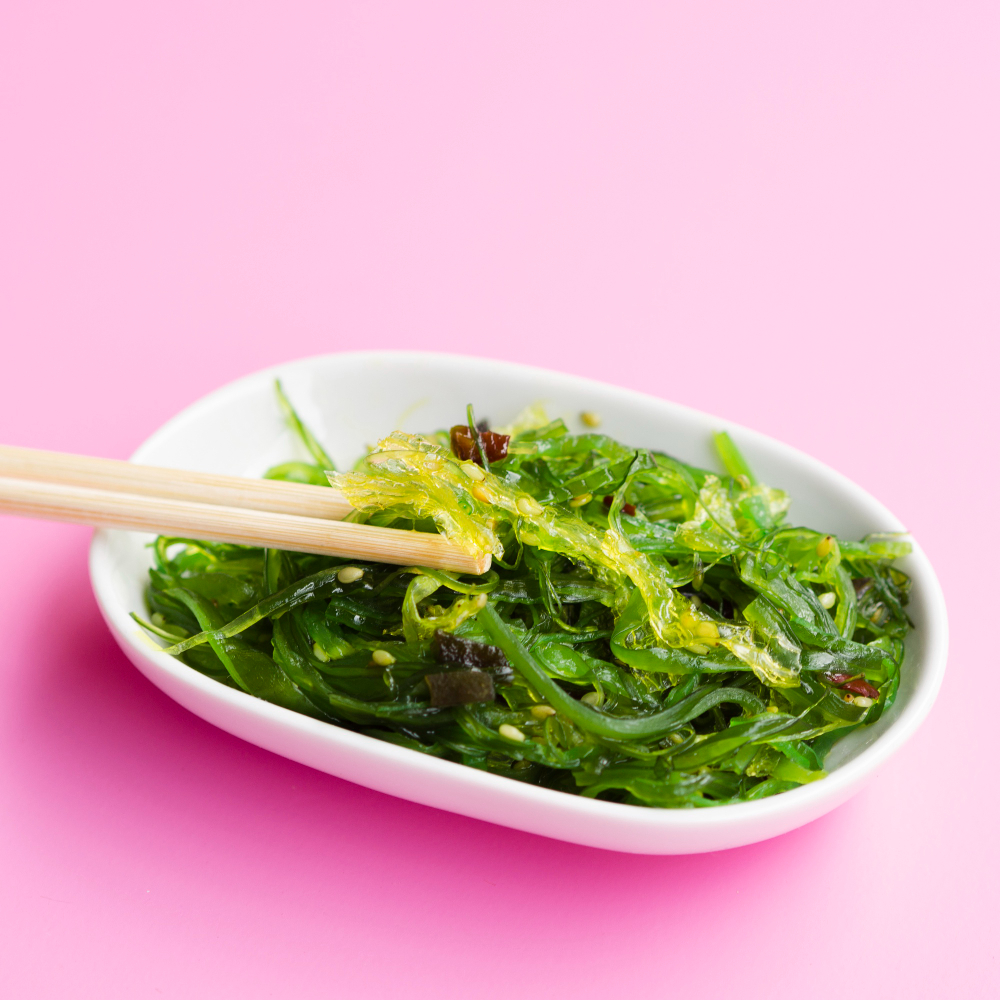
Interest in seaweed as a food ingredient is no longer confined to Asian cuisine. A report in The New York Times, featured in Pulzo, reviews what various specialists have to say about its role in the diet. The polysaccharides in seaweed serve as food for gut bacteria, which convert them into short-chain fatty acids – […]
Seaweed gains ground in Spain amid growing pressure on food systems: “Its cultivation improves aquatic ecosystems”
A report by El Español examines how seaweed has gone from being a marginal product in the European diet to being considered a potentially important component of the food system of the future. The context is the growing pressure on food systems caused by climate change, water scarcity and the loss of fertile soil. The […]
From sea to barn: Alganut to trial macroalgae-based feed for more sustainable livestock farming
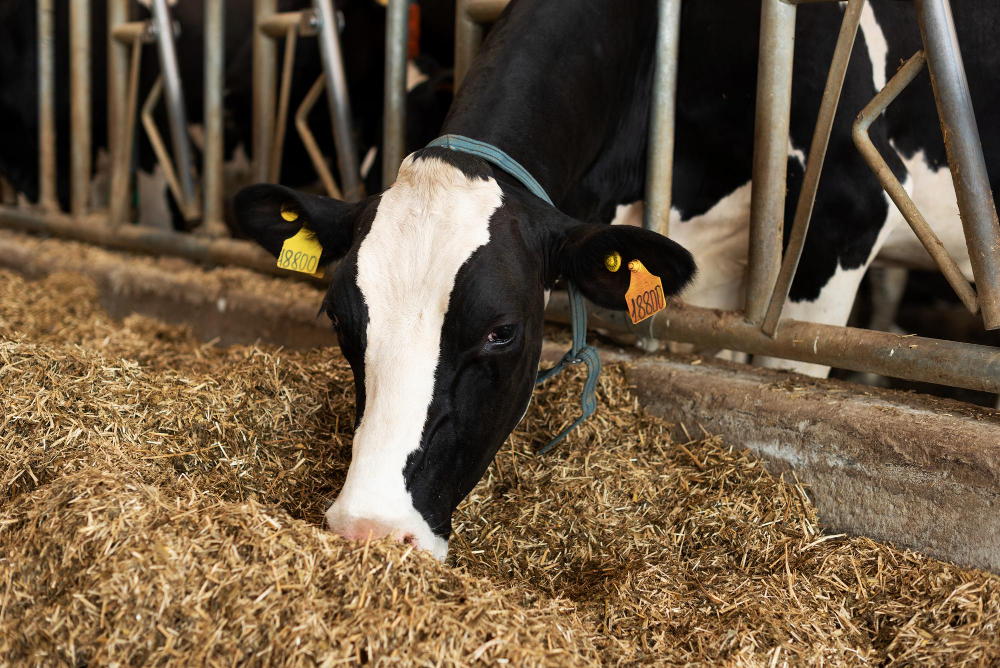
Macroalgae are going beyond human food and cosmetics. In Galicia, Alganut has just been launched, a project that will work on feed made from marine macroalgae enriched with selenium for dairy cattle, laying hens and broiler chickens. The initiative responds to a threefold challenge facing European livestock farming: reducing dependence on antibiotics without losing productivity, […]
From Carnota to the lab: how a Galician company is building a value chain with macroalgae
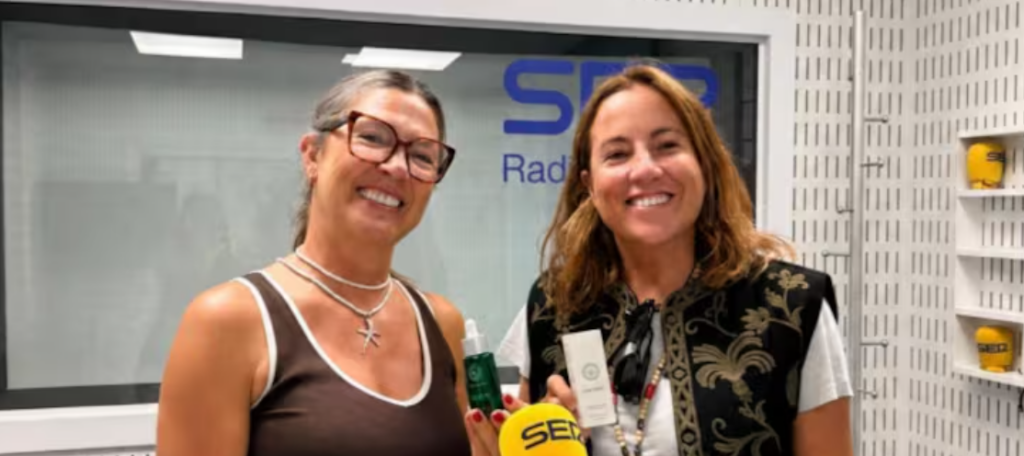
Radio Coruña Cadena SER has featured the story of Shiweed, a Galician cosmetics company that combines macroalgae from the Costa da Morte with locally sourced oils. Step by step, its journey illustrates the links in the chain that BIOCHAINS Atlantic is working to connect: the resource, research, processing and the market. The report also addresses […]
Researchers from the Universities of Málaga and Almería have assessed the use of an invasive macroalgae as an ingredient in aquaculture feed
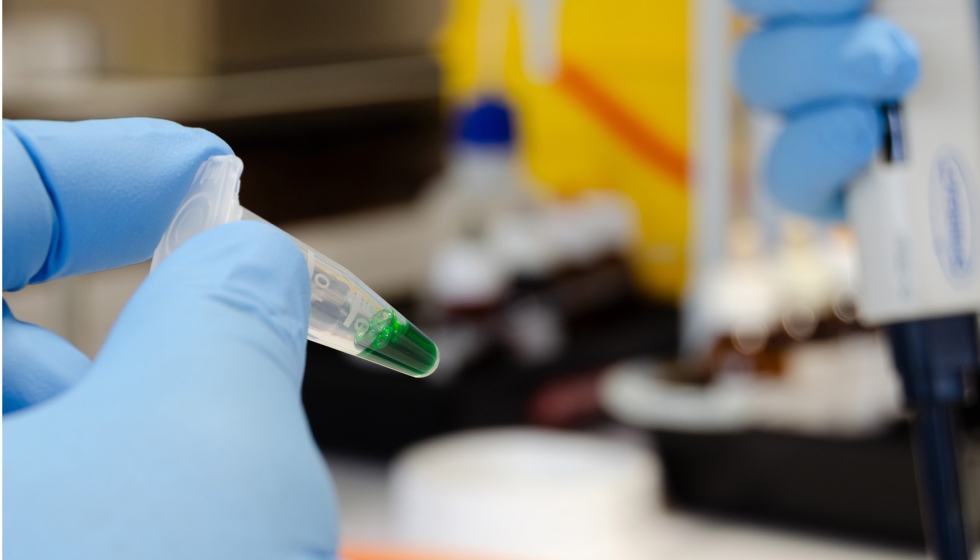
Researchers from the Universities of Málaga and Almería have assessed the use of an invasive macroalgae as an ingredient in aquaculture feed. The results show nutritional improvements in farmed fish and point to a possible way of making use of a species that causes environmental and economic problems along the Andalusian coast. More information: INTEREMPRESAS.
Researchers have developed a ketchup enriched with microalgae protein that retains the sauce’s characteristic flavour and colour
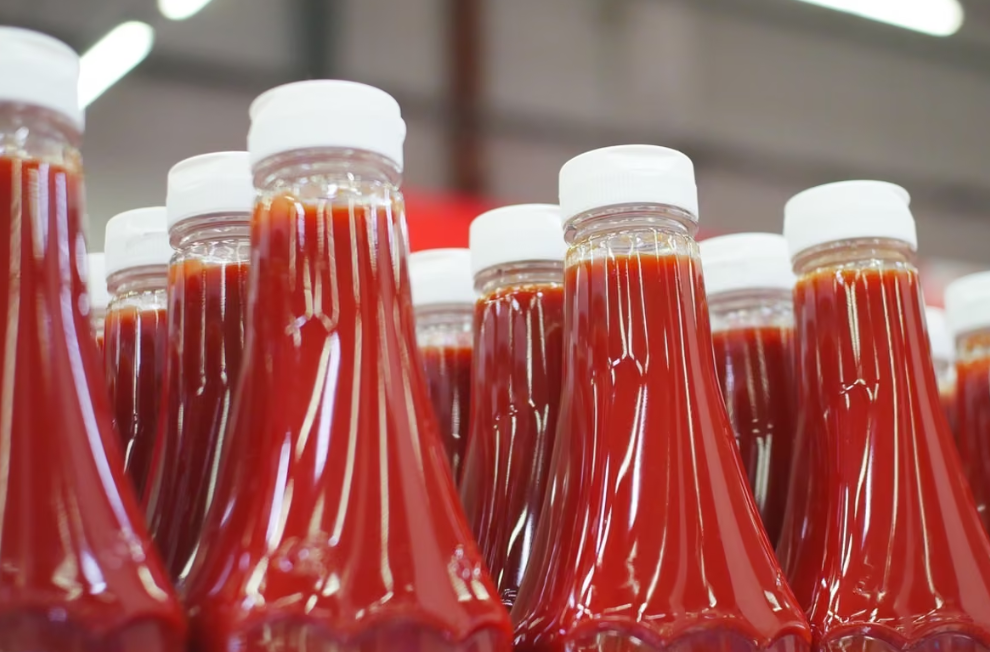
Researchers have developed a ketchup enriched with microalgae protein that retains the sauce’s characteristic flavour and colour when used in moderate quantities. Recipes containing 3 per cent and 5 per cent of the extract saw their protein content increase by between two and three times. More information: INFOSALUS.
Seaweed: the healthy food of the future? Spanish researchers are investigating its potential as an alternative source of protein
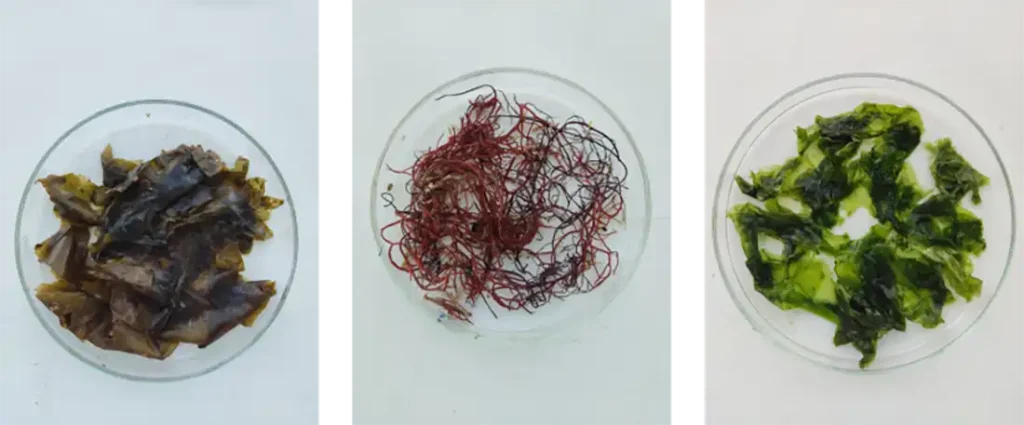
The three-year SEAFOODTURE project, which began in 2024, is making progress towards its initial results for the comprehensive utilisation of seaweed biomass, thereby developing sustainable food products with high nutritional value. The project’s objectives are to utilise seaweed as an alternative source of protein; to use industrial seaweed waste to develop bio-based packaging materials; and […]
Chilean scientists are using red algae to create a natural compound with digestive properties that could have applications in the food industry
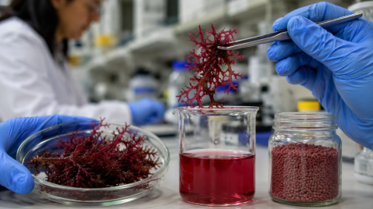
Red algae pigment in animal feed is a key factor in the development of natural ingredients with improved digestibility. In practice, this means that the focus is not only on the colour or the marine origin of the pigment, but also on how it is released and how much of it the organism can utilise. […]


