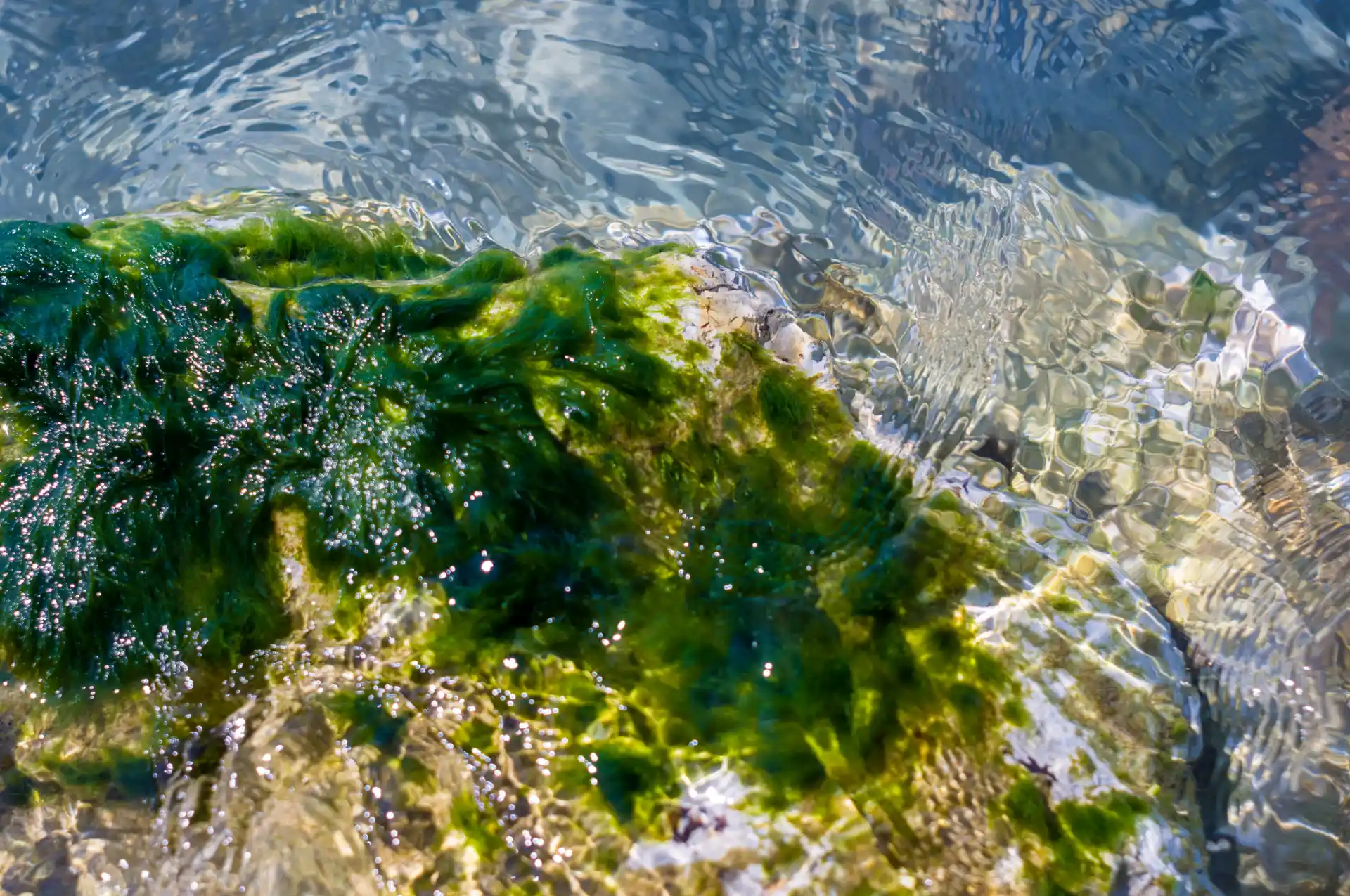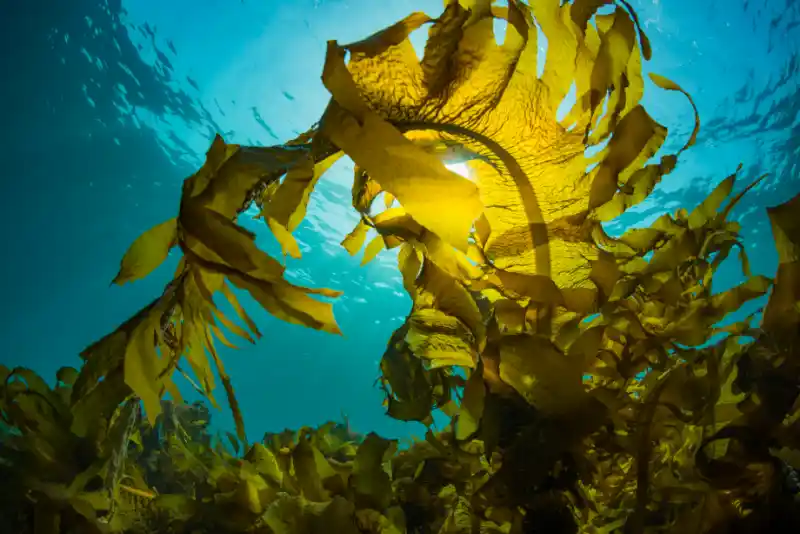
Seaweed, with its great diversity of species and properties, is a raw material of great interest for many industrial sectors. The production of phycolloids and their direct use as food are the most economically important applications of algae, but these organisms have many other applications, such as obtaining compounds for the production of cosmetic products and new drugs, animal feed or the production of biofertilizers. In addition, several initiatives are currently developing processes for the industrial production of textile fibers made from algae.
Microalgae, or single-celled algae, are microorganisms with unique properties due to their ability to synthesize and accumulate large amounts of omega-3 fatty acids and proteins, as well as a variety of compounds with functional properties, such as carotenoid pigments and polyphenols. All this makes them extremely interesting for uses in human and animal food or the development of cosmetic and nutraceutical products. However, the industrialization of the production and exploitation of microalgae has only been consolidated for a few species, something that limits the potential for these organisms to take advantage of.
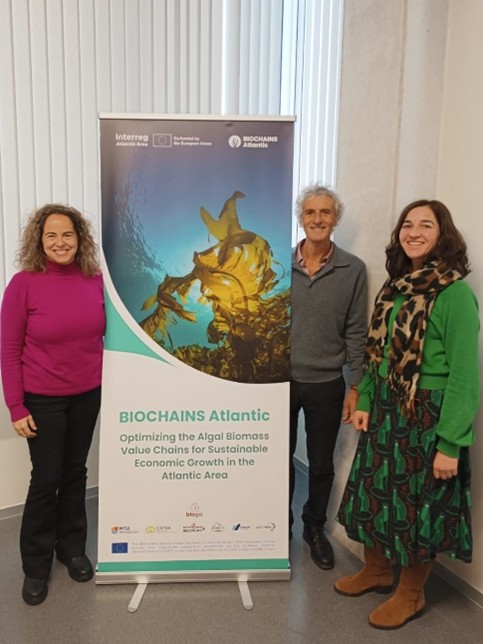
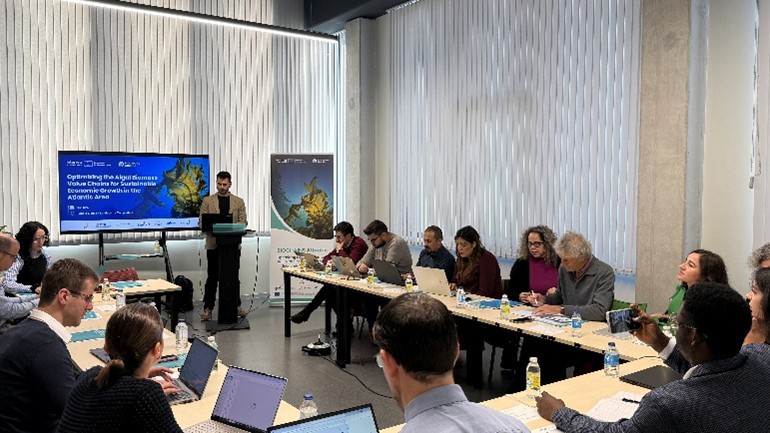
In the Atlantic area – the territory formed by the Atlantic regions of Spain, Portugal, France and Ireland – the valorisation of macroalgae and microalgae has not yet reached its full potential. The BIOCHAINS Atlantic project will contribute to strengthening and optimising the value chains dedicated to the exploitation of these raw materials in the food and cosmetics sectors. BIOCHAINS Atlantic is funded by the INTERREG Atlantic Area programme through the European Regional Development Fund (ERDF), and will contribute to improving the competitiveness of SMEs engaged in the exploitation and processing of macroalgae and microalgae, promoting innovation and cooperation between companies and regions and consolidating emerging market opportunities.
BIOCHAINS Atlantic’s methodology is based on the identification of the needs of the agents of the value chains, as well as possible new opportunities and business niches. After a review of the legislative framework that regulates the uses and products derived from macroalgae and microalgae, the information obtained in the analysis will be used to propose and design new or optimised value chains, which allow a more efficient use of resources, logistical improvements or the obtaining of products with greater added value. Finally, these value chains will materialize through pilot tests that will give rise to prototypes suitable for commercialization.
The BIOCHAINS Atlantic consortium combines entities with experience and capabilities in the promotion of the blue economy, the valorization of biomass and the development of commercial strategies. BIOGA leads the project and coordinates the activities related to the interaction with the agents of the value chains, as well as the communication of activities and results. ANFACO-CYTMA participates as a technological partner in the production of microalgae biomass, the development of pilots and in the surveillance of markets and legislation. GLECEX, CATAA and WEDOTECH will contribute capabilities in biomass transformation and in the development of circular processes. BIOTECH SANTÉ BRETAGNE will also be involved in communicating with stakeholders and identifying opportunities for the development of new value chains, as well as in their implementation. The Munster University of Technology (MTU), through its bioeconomy cluster, will work on the transfer of value chains to the productive sector.
- BIOCHAINS Atlantic also has a large number of collaborating partners – administrations and public agencies, sector associations, academia and industry – who will provide knowledge and advice to maximize the impact of the results obtained.